Non-Surgical Nose Filler Risks: Safety Checklist
Nose filler can refine bridge or tip shape, but vascular risk, product choice, anatomy, and 1 to 2 weeks of recovery should be reviewed first.

Nohd Clinic’s position is conservative by design: subtle refinement, clear limits, and avoidance of over-recommendation. For patients comparing aesthetic maintenance options beyond injectables, the same principle applies to energy-based care such as Ultherapy PRIME in Seoul or a natural anti-aging maintenance plan in Gangnam.

A conservative consultation should cover these points before treatment:
- Whether the intended correction is bridge height, tip support, or contour smoothing
- Whether previous surgery, trauma, or scarring could change the anatomy- The discussion should still be individualized, because a treatable area is not automatically an appropriate area for every patient.
How should you discuss nose filler safety?
A thorough consultation should address the injection method and equipment before booking.
Patients can ask about the provider's approach to minimizing risks, such as their choice of cannula sizes for the nasal area, aspiration techniques, and how they monitor for placement during the procedure.
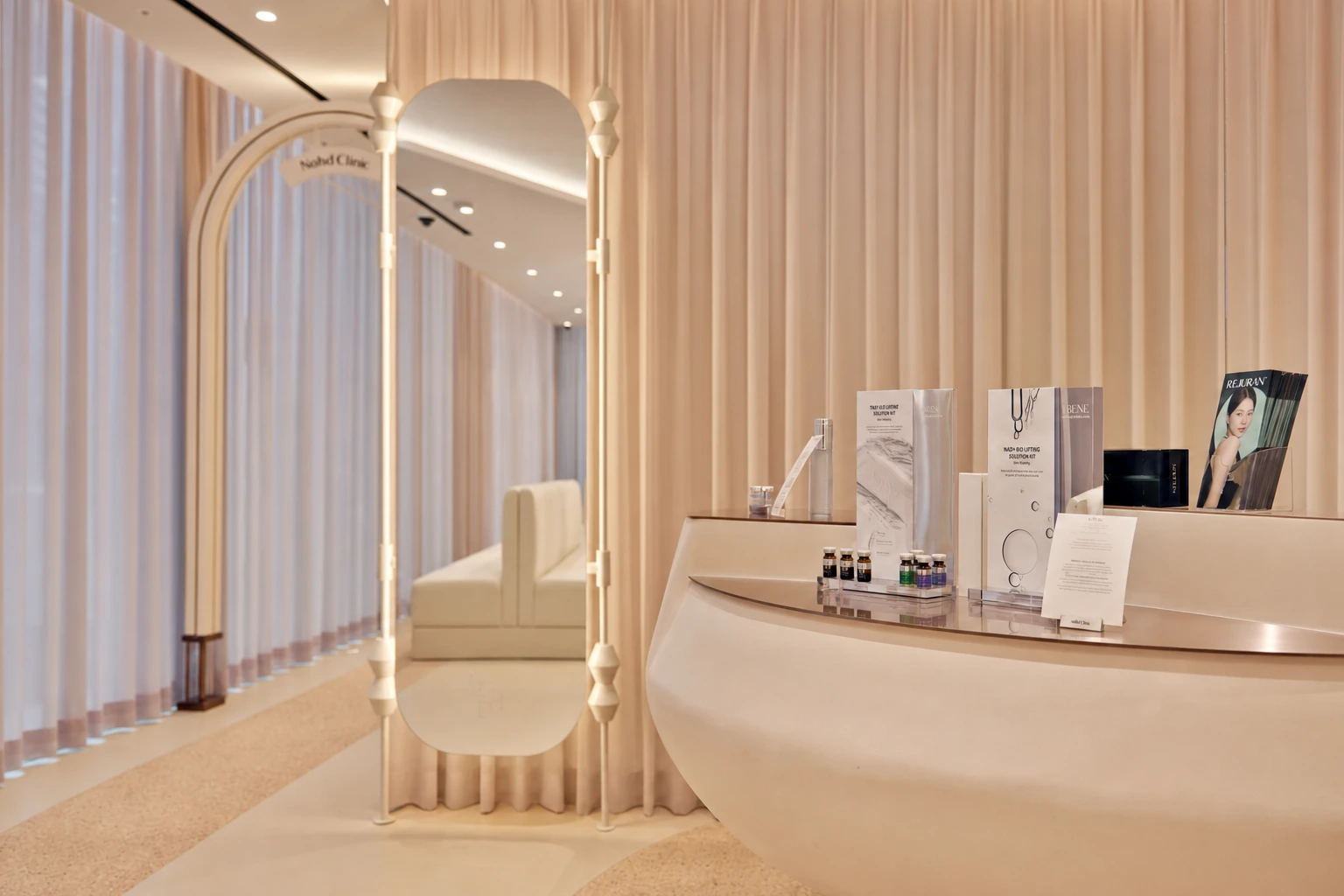
When you visit Nohd Clinic, you can have a private 1:1 consultation to design your desired nose shape and receive the filler injection.
Nohd Clinic recommends conservative goals, transparent product discussion, and at least one week of strict aftercare after nose filler.
Nohd Clinic treats the nasal bridge and nasal tip with a conservative philosophy: “not excessive, but complete.” In practice, that means the consultation should clarify what filler can realistically refine, where the anatomical limits are, and whether a subtle change is safer than chasing a more dramatic profile.
After treatment, Nohd Clinic recommends avoiding alcohol, smoking, saunas, and strenuous exercise for at least one week. Swelling and bruising may take 1 to 2 weeks to settle, so scheduling matters.
Plan a safer nose filler consultation
If you are considering bridge or tip refinement, book a consultation that reviews anatomy, product choice, recovery timing, and emergency readiness before treatment.
Nohd Clinic recommends conservative goals, transparent product discussion, and at least one week of strict aftercare after nose filler.
FAQS
Frequently asked questions
What are the main risks of a non-surgical nose job with filler?
Complications are uncommon, but careful technique and emergency readiness are important.
Is nose bridge filler safer than nose tip filler?
Nose bridge filler is often more straightforward than tip work, but safety depends on anatomy, technique, product choice, and volume. The risk is concentrated in the nasal tip and glabella, so any plan involving those areas should be discussed carefully.
How long do swelling and bruising last after nose filler?
Swelling and bruising can take 1 to 2 weeks to settle, although results appear immediately and early settling often begins within several days. Nohd Clinic recommends avoiding alcohol, smoking, saunas, and strenuous exercise for at least one week.
What should I ask before getting nose filler in Korea?
Ask whether the filler is reversible hyaluronic acid, which brand will be used, whether hyaluronidase is available on site, and how the provider manages warning signs. You should also ask whether your goal is realistic without surgery.
Can nose filler make my nose smaller?
Nose filler cannot make the nose physically smaller because it adds volume. It may create the appearance of a straighter bridge or more balanced profile, but major narrowing, reduction, or bone reshaping requires a different medical discussion.